
KMEWO Statement on Honour-Based Abuse, Child Marriage and the Killing of Kawthar Bashar al- Husayjawi
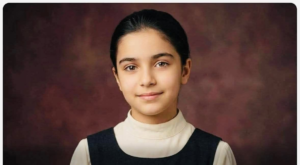
KMEWO strongly condemns the killing of Kawthar and expresses its opposition to all forms of honour-based abuse, child marriage, forced marriage, and violence against women and girls.
This case highlights serious and ongoing concerns regarding the safety, rights and protection of women and children affected by harmful practices rooted in gender inequality. Reports indicate that Kawthar was subjected to child marriage at a young age and later faced pressure to enter into another forced marriage against her free will. Her subsequent killing reflects the continued risks faced by women and girls where harmful practices are tolerated or insufficiently addressed.
KMEWO recognises that honour-based abuse and child marriage are violations of fundamental human rights and safeguarding principles. Such practices undermine the rights of women and children to safety, autonomy, education, dignity and freedom from violence.
The organisation remains concerned by legal and policy developments that may weaken protections for women and children, including amendments to 1959 Personal Status Law in Iraq that increases the vulnerability of girls to child marriage and other forms of exploitation and abuse. In this context, KMEWO notes concerns raised regarding Law No. 1 of 2025 and proposed amendments to Personal Status Law No. 188 of 1959, particularly where such changes may conflict with international human rights standards and child protection frameworks.
KMEWO calls for:
• A full and transparent investigation into the killing of Kawthar and accountability for all those responsible.
• Stronger legal protections against honour-based abuse, forced marriage, and child marriage.
• Effective safeguarding mechanisms to protect women and girls at risk of violence and coercion.
• Greater collaboration between governments, civil society organisations, community leaders, and international human rights bodies to prevent gender-based violence and protect vulnerable individuals.
• Increased investment in education, awareness, and survivor support services.
As part of our charitable work, we remain committed to promoting safeguarding, advancing the rights of women and children, supporting vulnerable communities, and raising awareness of harmful practices that place individuals at risk of abuse and exploitation.
Violence against women and girls cannot be justified on cultural, social or religious grounds. Sustainable change requires legal accountability, community engagement, education and a collective commitment to protecting the rights and dignity of all individuals.
ENDS.